
Online Self-Paced Course

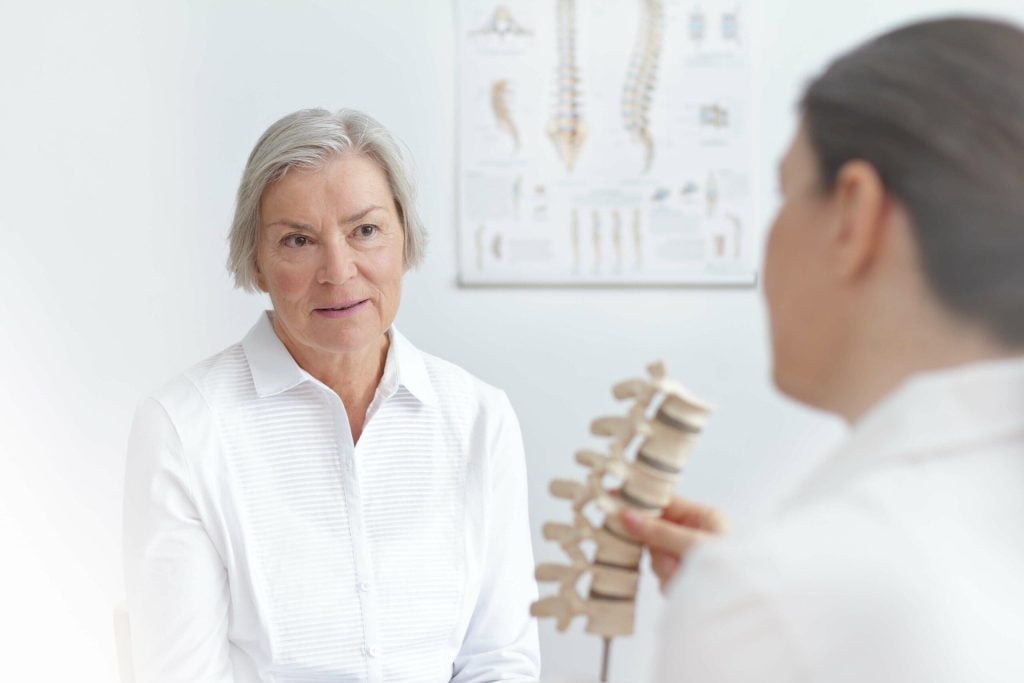
Management of Spinal Stenosis (French Version)

Instructor(s):

Audio:

French

Subtitles available:

None

Handout available:

French

Duration:

7 h

Date:

Time:

★★★★★
4.3 out of 5 (209 reviews)

Current Status

Not Enrolled

Price

$420.00

Get Started

or

The course has been translated and dubbed by a physiotherapist. If you would like to receive the English version, please write to us at info@bia-education.com.

Summary

With an aging population the prevalence of age-related spinal conditions is progressively increasing. Symptoms relatable to spinal stenosis now account for up to 30% of patients with spinal complaints in primary care. Physiotherapists who appreciate the natural course, differential diagnosis, assessment, medical/surgical, exercise and manual therapy treatment options available can safely and effectively manage this growing patient population.

The ten dictated PowerPoint presentations are supported by videos, web resource links, quick reference cheat sheets and a 320 page downloadable handout.

Objectives

  • To know the natural aging process of the spine;
  • To know the differential diagnosis of spinal stenosis;
  • Understand the medical management and red flags associated with spinal stenosis;
  • To learn about the medical and surgical options for spinal stenosis;
  • Understand the physiotherapy management of spinal stenosis, including self-treatment options and manual therapy.

Course Content

Module 1: Normal Age-Related Changes (Part 1)
Module 2: Normal Age-Related Changes (Part 2)
Module 3: Medical Pathologies & Masqueraders (Part 1)
Module 4: Medical Pathologies & Masqueraders (Part 2)
Module 5: Clinical Investigations
Module 6: Medical Investigations
Module 7: Medical Management
Module 8: Surgical Management
Module 9: STEPS Program
Module 10: Physiotherapy Management
Give Feedback

Target professionals

, , , ,

Content is not intended for use outside the scope of the learner’s license or regulation. Continuing education courses should not be taken by people who are not licensed or regulated.This does not apply when they are part of a specific plan of care. By participating in this course, the participant agrees to respect his/her professional scope of practice.


Instructors

Certificate of completion

Access

Regular Access: 6 months
Scientific membership: Unlimited

Share

Twitter
LinkedIn
Facebook
Email

Please register for the course or log in to access this content.

Average Review Score:
★★★★★
Formation: prise en charge de la sétnose spinale
★★★★★

Très intéressant avec des exercises et interventions bien démontrées dans les vidéos. Ce qui pourrait être intéressant, c’est avoir les C-I, P liées au diagnostic confirmé de sténose spinale, par exemple: j’avais appris dans mes cours que la traction lombaire était C-I.
Merci !

Specifique pour traitement physiotherapie
★★★★★

Clear medical explanations that make it easy to understand and learn. Good references for specific assessments. Good concrete examples of physical therapy treatments

Formation intéressante
★★★★★

Lots of useful information for practice. I’m not a fan of training in the form of reading.

★★★★★

Super accurate.

★★★★★

Very good training, the content is relevant and very well explained.

★★★★★

Very interesting. I come away from this training with lots of concrete tools to help my patients. Thank you!

★★★★★

Overall interesting, I think this course tries to cover a bit too much in a short time. I find that there are too many statistics with more or less clear explanations accompanying them. The overview of exercises is rather quick, the course notes are incomplete (missing photos) and the explanation of some exercises is not exactly what is demonstrated. The French translation is fairly basic. I suggest taking the course in English.

★★★★★

Well done!

★★★★★

good, informative

★★★★★

Extremely complete (almost too much – I was mostly interested in the treatment section)

★★★★★

Great! Very detailed. I
Suggestion: Management of Spinal Stenosis , or back pain in elderlies.

★★★★★

Very interesting

★★★★★

Interesting

★★★★★

Good

★★★★★

Thank you for all your work and exhaustive research. A lot of information that adds to my clinical knowledge, and will complete my intervention with my customers.

★★★★★

The course was very complete and I appreciated the demonstrations of exercises and manual therapy techniques in Module 10.

★★★★★

Very good, thank you. Especially modules 9-10 for the more clinical concepts.

★★★★★

Thank you, much appreciated.

★★★★★

First chapters a bit dry. I appreciated the suggestions for exercises and manual therapy.

★★★★★

Very interesting. Good processing tools/techniques.

★★★★★

Very relevant course for the management of patients with spinal stenosis. Very good literature support throughout the course.

★★★★★

Too much theory on surgery and other differential diagnoses of stenosis. The most interesting part is only the last 2 modules. So not concrete enough

★★★★★

Very long course with lots of theory. Several suggested interventions that apply more or less to the typical geriatric clientele encountered with spinal stenosis (mobility impairment, limited financial means, osteoporosis as a comorbidity, etc.).

★★★★★

I mostly see post-op patients. Thank you for the course

★★★★★

The format is not optimal; I would have appreciated a visual of the trainer. I would also have appreciated a more extensive section on physiotherapy management.
Interesting content overall. Thank you for your attention.

★★★★★

This course will be very useful for my practice, and I really enjoyed the physiotherapy applications. I found the modules on medical presentation, clinical research, medical investigation and medical management a little long and a little too detailed, although some of the information given was relevant.

★★★★★

Very interesting course. Course notes could be improved, especially when there are exercises. A photo would have been appreciated. Also, some links don’t work.

★★★★★

Clinical information that can be used as soon as the course is completed!

★★★★★

Great course! Very comprehensive and gives therapeutic tools to help our patients.

★★★★★

A comprehensive course, but a little long…

★★★★★

Very interesting course. A very pertinent reminder of anatomy at the beginning of the presentation makes it easier to understand the following modules.

★★★★★

Practical tools, thank you

★★★★★

Very relevant, helps us better identify spinal stenosis from other lumbar conditions and gives us a step-by-step action plan to strengthen the spine.

★★★★★
★★★★★

Excellent course for anyone with no previous knowledge of spinal stenosis. Complete anatomical review, exploration of diagnosis, history and medical components a little long for a physio course, but all flowed together very well. The final modules on management and treatment modalities are really well demonstrated, explained and supported by evidence. I feel equipped to treat my patients with confirmed OR suspected stenosis. Thank you so much! Very relevant!

★★★★★

Very comprehensive in terms of theory… More detailed slides on manipulations and management techniques would have been appreciated.

★★★★★
★★★★★
★★★★★
★★★★★
★★★★★
★★★★★
★★★★★
★★★★★
★★★★★

Very interesting course, especially the sections on physiotherapy management (assessment and treatment).

★★★★★
★★★★★
★★★★★

Honestly, boring course. Too many studies…. Reader just repeats what’s on the pictures and is very monotone. Sorry for the negative comments😉

★★★★★
★★★★★
★★★★★

Very relevant! I really appreciated the last 2 modules with their clear, concrete techniques, as well as the exercises that were precisely described, making everything easily applicable in our practice. Thank you

★★★★★

The course is relevant and I especially liked the part with the physio assessments to be done and the videos demonstrating the Xs and manipulations to be done. It did, however, involve a lot of scientific research analysis and took me much longer than indicated to complete.

★★★★★
★★★★★
★★★★★
★★★★★
★★★★★
★★★★★

Very interesting, from all points of view! It’s great to have videos demonstrating the various techniques suggested.

★★★★★
★★★★★
★★★★★
★★★★★
★★★★★
★★★★★
★★★★★
★★★★★
★★★★★

Very nice course giving us access to some very interesting tools!

★★★★★
★★★★★

very interesting

★★★★★

Excellent course! very appropriate for an increasingly common problem. Thank you!

★★★★★
★★★★★
★★★★★
★★★★★
★★★★★

Better suited to physios than physiotherapy technologists, I won’t be able to use these elements in this course as it’s very much focused on manual therapy and I work in SAD.

★★★★★
★★★★★
★★★★★
★★★★★

Much appreciated course. The person doing the narration (in French) is a bit monotonous in his tone of voice.

★★★★★
★★★★★
★★★★★
★★★★★

Very interesting course!

★★★★★
★★★★★
★★★★★

Thank you!

★★★★★
★★★★★
★★★★★
★★★★★
★★★★★

It takes longer to complete than the estimated time (6h30). Content a bit heavy but complete.

★★★★★
★★★★★
★★★★★
★★★★★

Thank you!

★★★★★
★★★★★
★★★★★
★★★★★
★★★★★

It’s very good except that I couldn’t click on certain links to view it on the web.

★★★★★
★★★★★
★★★★★
★★★★★
★★★★★
★★★★★

A lot of theory, less physiotherapy situation…

★★★★★
★★★★★
★★★★★
★★★★★

Sound quality to be improved. Very well researched and relevant content, but I would have liked the course to be more clinically oriented.

★★★★★
★★★★★

It’s complete with many practical tools to use with our patients.

★★★★★

It would be interesting to have the videos of demonstrations of the larger mobilization techniques to get a good feel for them.

★★★★★
★★★★★
★★★★★
★★★★★

Many studies presented. Course a little long for the subject and what I got out of it. Module 9 and 10 are the most relevant to my practice. I would like to have access to the course over 12 months instead of 30 days. Thank you for this course.

★★★★★
★★★★★
★★★★★
★★★★★
★★★★★

very monotonous tone of voice, difficult to follow

★★★★★
★★★★★
★★★★★

Excellent course. The STEPS program is very helpful. Thank you

★★★★★
★★★★★
★★★★★

There’s a lot of length in the medical, differential dx and surgical sections. The last 2 units are really interesting, but it takes a long time to get there. It’s a pity that the internet link is in a power point and not accessible to click on, you have to write the full address if you want to access it. Thanks for making this course accessible!

★★★★★
★★★★★
★★★★★
★★★★★
★★★★★

Section 10 is interesting and practical, but a little too medical for my personal practice.

★★★★★
★★★★★
★★★★★

Too many statistics.

★★★★★
★★★★★
★★★★★
★★★★★
★★★★★

I would have liked a little less physio-patho and more clinical. I thought the time allotted to exercise management was too short.

★★★★★

Super good course, the instructor is very interesting and knowledgeable. I think the original English version is more dynamic.

★★★★★
★★★★★
★★★★★
★★★★★
★★★★★

Super good course, the instructor is very interesting and knowledgeable. I think the original English version is more dynamic.

★★★★★
★★★★★
★★★★★
★★★★★
★★★★★
★★★★★
★★★★★
★★★★★
★★★★★
★★★★★
★★★★★
★★★★★

Very detailed. I would have liked to have the exercises more detailed with images instead of video. Lots of studies….interesting but we get a little lost.

★★★★★
★★★★★
★★★★★
★★★★★
★★★★★
★★★★★
★★★★★
★★★★★

very thorough ….. covers everything from theory to studies to exs ….. good job !

★★★★★

Practical exercises well described. Good balance between theory and practice!

★★★★★
★★★★★
★★★★★
★★★★★
★★★★★
★★★★★
★★★★★

A little long because of the tone and somewhat monotonous flow, but very relevant content.

★★★★★

Very well explained. Relevant theory and practice!

★★★★★
★★★★★
★★★★★
★★★★★
★★★★★
★★★★★
★★★★★
★★★★★

I liked the exercise program and the manual therapy demonstrations, very well done.

★★★★★
★★★★★
★★★★★
★★★★★

The course seems very complete and detailed, unfortunately I didn’t have enough knowledge of this region to understand all the information in this course.

★★★★★

Very interesting and applicable in our therapies with patients.

★★★★★
★★★★★
★★★★★
★★★★★
★★★★★
★★★★★
★★★★★
★★★★★

Very long theoretical section at the start, which strays from the subject. But once you get to the heart of the matter, it’s all very well.

★★★★★
★★★★★
★★★★★
★★★★★
★★★★★

Good course. Lots of information. I would have liked to see the instructor demonstrate things rather than just see the slides.

★★★★★

Far too many technical points related to surgery…and the module on this subject is far too long.

★★★★★
★★★★★
★★★★★
★★★★★
★★★★★
★★★★★
1 2 3 4 5

You must log in and have started this course to submit a review.

FAQ

Your certificate is automatically generated once the course is 100% completed.

To access it:

  1. Log in to your account
  2. Go to your dashboard and select the relevant course
  3. Make sure the course is completed at 100% ! The certificate will automatically appear on the course page and it will be located on the right side of the image, in a green box.
  4. You can then click on it to download it

You can also watch this short demo video if needed.


If your certificate does not appear, please make sure all lessons are completed. Feel free to contact us if needed.

To access and download or print handout, follow these steps:

  1. Log in to your account
  2. Go to your dashboard and select the relevant course
  3. Scroll below the course image and click on the “Course Content” tab
  4. Click on “Handout and Resources” to expand the section
  5. Select and download your preferred format


You can also watch this short demo video if needed.

Access to each course is valid for 6 months from the moment the course is added to your account.

Courses are available immediately after purchase, except for pre-sale courses. For pre-sale courses, you will receive an email when they become available. Make sure we are not in your spam !

To complete your course after the 6-month access period, we invite you to become a member of the Bia membership and take the time you need. You can purchase the membership according to the payment period of your choice:

  • Monthly
  • Yearly (15% discount)

If you wish to transfer a course to your colleague (for example), you can email us at info@bia-education.com. We will be happy to transfer the access to this person, if the course has not been started.

In any case, it is forbidden to share the accesses to anyone. The quantity of a course purchased is equivalent to the number of accesses granted. A certificate is automatically transmitted after the completion of a course and it is impossible to change the name and date on this certificate once issued.

You will receive a notification email as soon as the pre-sale course is added to your account. This will mark the beginning of your 6-month access period.

Make sure we’re not in your junk folder!

Most access to courses is provided instantly (unless otherwise specified) to the email address provided at the time of purchase. To access your courses, simply go to “My Dashboard”.

If you can’t find the courses you’ve registered for, don’t worry! Some courses require manual verification, so you’ll receive the information and/or access within the next 24 business hours.

If you still haven’t received your courses after 24 business hours, write to us at info@bia-education.com and we’ll rectify the problem!

For most courses, you can access French subtitles by clicking on “cc” in the video window at the bottom right. You can then select the language of your choice and leave them enabled or disabled. If the handout are available in French, you can see them by clicking on “Handout and resources” in the “Course content” tab when you are on the main course page. You can also select the language of your choice at the bottom of the page .

For a demonstration, click here!

Yes! Subscription members always receive at least 10% off all à la carte courses not included in their plan but cannot be combined. The discount is automatically applied at checkout when you’re logged into your member account.

Each health professional who is a member of a college or association must complete continuing education units (CEU) annually. Here is some information about kinesiologists, physiotherapists and physiotherapy technologists.

Kinesiologist, FKQ

All accredited members of the Fédération des Kinésiologues du Québec (FKQ) must accumulate 30 credits of recognized continuing education every two years from the year of their accreditation. These credits can be obtained from continuing education offered by the FKQ and/or other organizations recognized by the FKQ. In order to facilitate your task of analyzing the credits granted to your course, the FKQ Continuing Education Committee gives you access to an equivalency grid.

For each* of your courses at Bia education, you will receive a certificate of participation confirming the number of hours of course received.

*Excluding course not accessible to kinesiologists, this exclusion will be mentioned in the course description.

Kinesiologist-kinesitherapist, A.K.K.O.M.Q.

All members of the A.K.K.O.M.Q. must accumulate continuing education units. The association intends to ensure the safety and quality of kinesiology and kinesiology-kinesitherapy interventions, by requiring its members to maintain and improve their knowledge through the many continuing education courses offered annually, and to put their skills into practice while respecting the code of ethics. Credits can be obtained from continuing education offered by the FKQ and/or other organizations recognized by the FKQ.

For each* of your courses at Bia education, you will receive a certificate of participation confirming the number of hours of course received.

*Excluding course not accessible to kinesitherapists, this exclusion will be mentioned in the course description.

Physiotherapist and physiotherapy technologist, OPPQ

In the case of physiotherapists, each member must have a minimum of 45 hours of continuing education units (CEU) during the reference period, which is three years. Of these 45 hours, at least 30 hours must be accumulated in formal learning activities. The remaining continuing education hours can be accumulated in autonomous, formal learning activities or in a combination of both categories.

A CEU is equivalent to one hour of course, which is the actual time spent by the member to acquire or update his or her knowledge or skills. In the context of a formal activity, the member is in a learning situation when acting as a participant. Time spent on breaks, meals or any other activity without academic content should therefore be subtracted from the calculation of CEUs.

A formal learning activity is defined as an activity designed and delivered by experts in the subject matter and with a predetermined structure, content, objectives and duration. All the course offered by Bia education are therefore likely to be considered as a formal learning activity. During your course at Bia education, you will receive a certificate attesting to the number of hours of continuous education granted to the event.

Then, it is the physiotherapist’s role to define whether the suggested training theme is related to his or her practice and will allow him or her to optimize his or her professional competence.

Write to us at info@bia-education.com for more information.

Suggested Courses

LIVE

Noisy Joints: Understanding the Meaning of a Misunderstood Clinical Sign – LIVE

FREE FOR MEMBERS

Diagnosis and Management of Rotator Cuff Tendinopathy: Clinical Practice Guideline

LIVE

Diagnosis and Management of Rotator Cuff Tendinopathy: Clinical Practice Guideline (LIVE)

« » page 1 / 57

Suggested courses

Use promo code BF25 to get 25% off all our online courses.

VIP LIST : Use promo code received by email to get 30% off all our online courses.