Summary
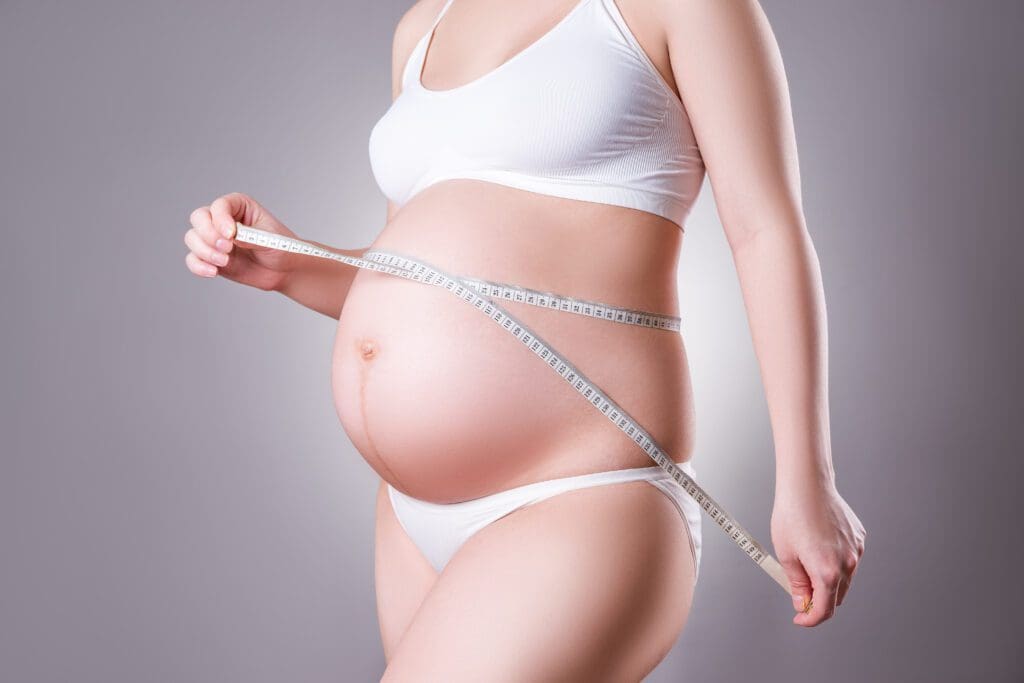
Women of reproductive age represent a sub-population with one of the highest increases in obesity rates in recent years. This means that many women enter pregnancy already overweight or obese. Moreover, many women gain too much weight during pregnancy, which is called excessive gestational weight gain. This means that some women have a substantial amount of weight to lose in the postpartum period, which many do not achieve. This persistent weight gain can worsen with subsequent pregnancies. Excessive GWG and prolonged postpartum weight retention have been shown to result in an elevated body mass index up to 15 years following childbirth, which is associated with adverse long-term health issues for both mother and child. It is therefore evident that there is an urgent need to investigate antenatal and postnatal weight management strategies and to provide evidence-based advice for exercise and/or nutrition-based interventions.
Course outline
- Brief description of the causes and consequences of maternal obesity
- Overview of when it is best to intervene; pre-pregnancy, during pregnancy, following childbirth
- Overview of how it is best to intervene; exercise, nutrition, or lifestyle (combined) interventions
Objectives
- Explain the causes and consequences of maternal obesity for both the mother and infant
- Understand how to approach lifestyle interventions in this population
- Understand how to use the current findings in practice
Course Content
Target professionals
Content is not intended for use outside the scope of the learner’s license or regulation. Continuing education courses should not be taken by people who are not licensed or regulated.This does not apply when they are part of a specific plan of care. By participating in this course, the participant agrees to respect his/her professional scope of practice.



The pre- and postnatal periods aren’t always easy. I hope there will be more resources available in the coming years.